Yes — a creative director. Also the one in the pricing meetings, the product launches, and the go-to-market that moved the numbers.
For fourteen years I led brand and creative for Killington and Pico, the largest resort in the East, as a key member of the team that ran it. Brand was my lane. I didn't stay in it. I sat in the rooms where the business itself got built — pricing, products, go-to-market — and helped bring a lot of it to life. Most of my portfolio shows what my teams and I made; this shows the range I worked across.
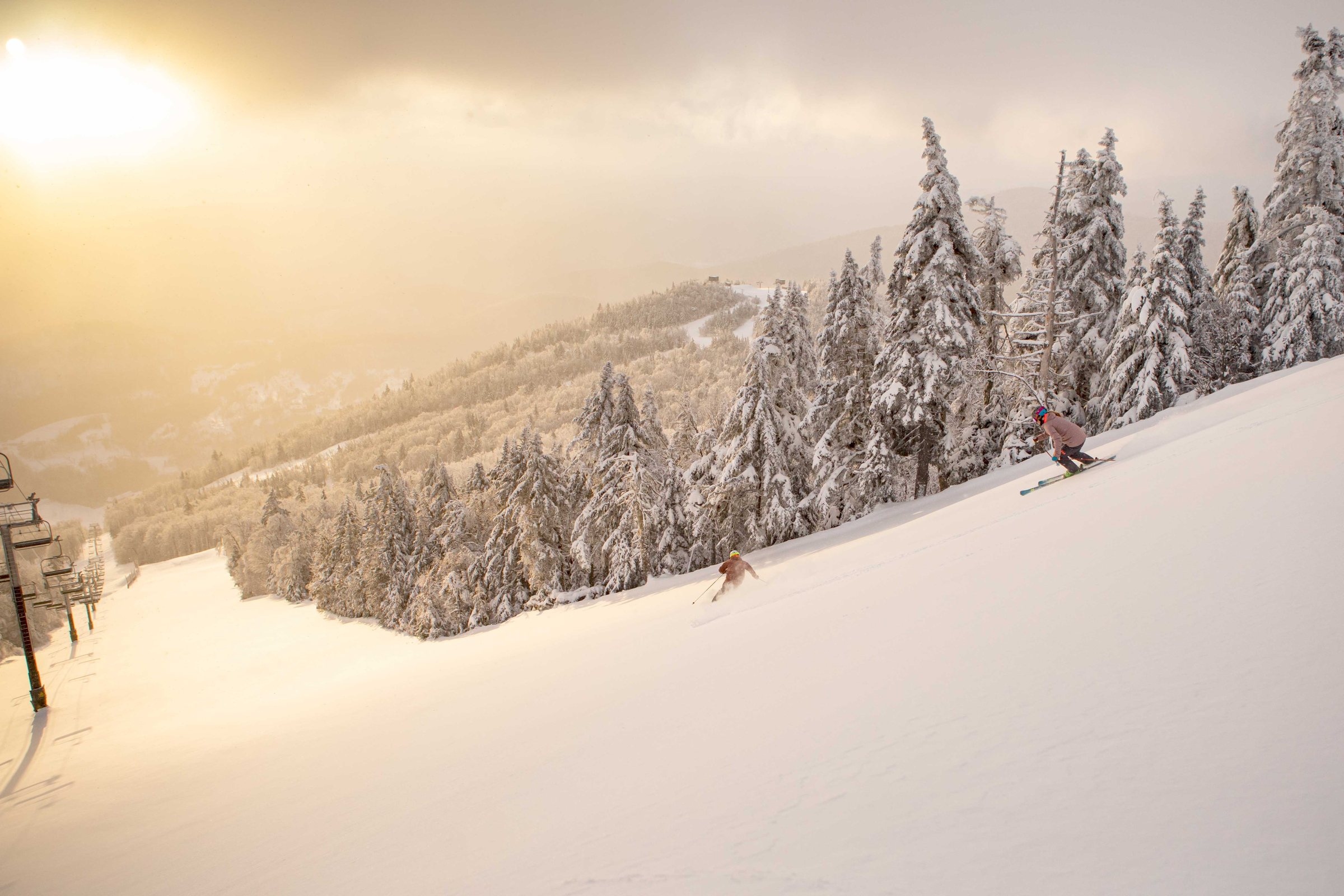
A ski resort sells in a season it can't schedule and can't extend. When the snow finally comes, everyone in the market is suddenly selling the same thing — cold, white, steep — to the same people, in the same few weeks. In a window that tight, what you're called does more work than what you are.
So the team I led did the least safe thing on the table. We stopped competing on chairlifts, vertical drop, and acreage — the spec sheet everyone else was also reciting — and reclaimed a name the mountain had earned and then let slip: the Beast of the East. Not a tagline. A stance, with an attitude, that we then had to defend against every reasonable, well-meaning request to sand it down.
It worked because it gave people something to belong to before they'd spent a dollar. Choosing Killington started to feel like choosing a side. Winter revenue climbed 17% across 2015–2019. More to the point, the position held through new agencies and a change of ownership. Anyone can launch a campaign. Making one survive a decade is the harder, quieter win.
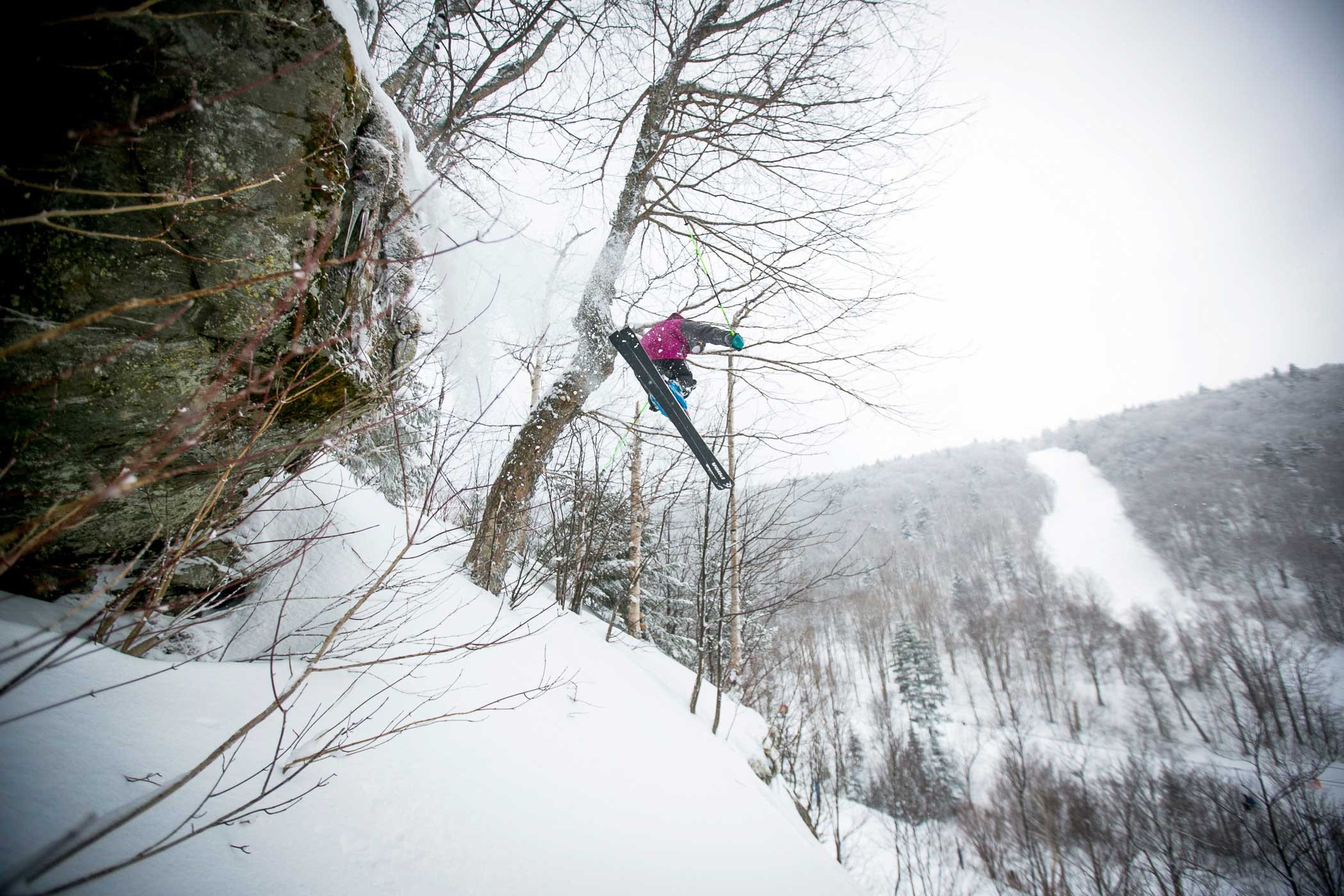
Killington's "The Beast" is still one of my all-time favorite campaigns — a great lesson in simplicity, branding, and design.
From the outside, a resort looks like one marketing job: sell the mountain. From the inside it's five separate businesses sharing a single customer, and the trick is they don't run in parallel. They run in sequence. That sequence is the strategy.
That's the full economics of a single visitor, in language any consumer business already speaks: acquisition, conversion, spend per visit, frequency, lifetime value.
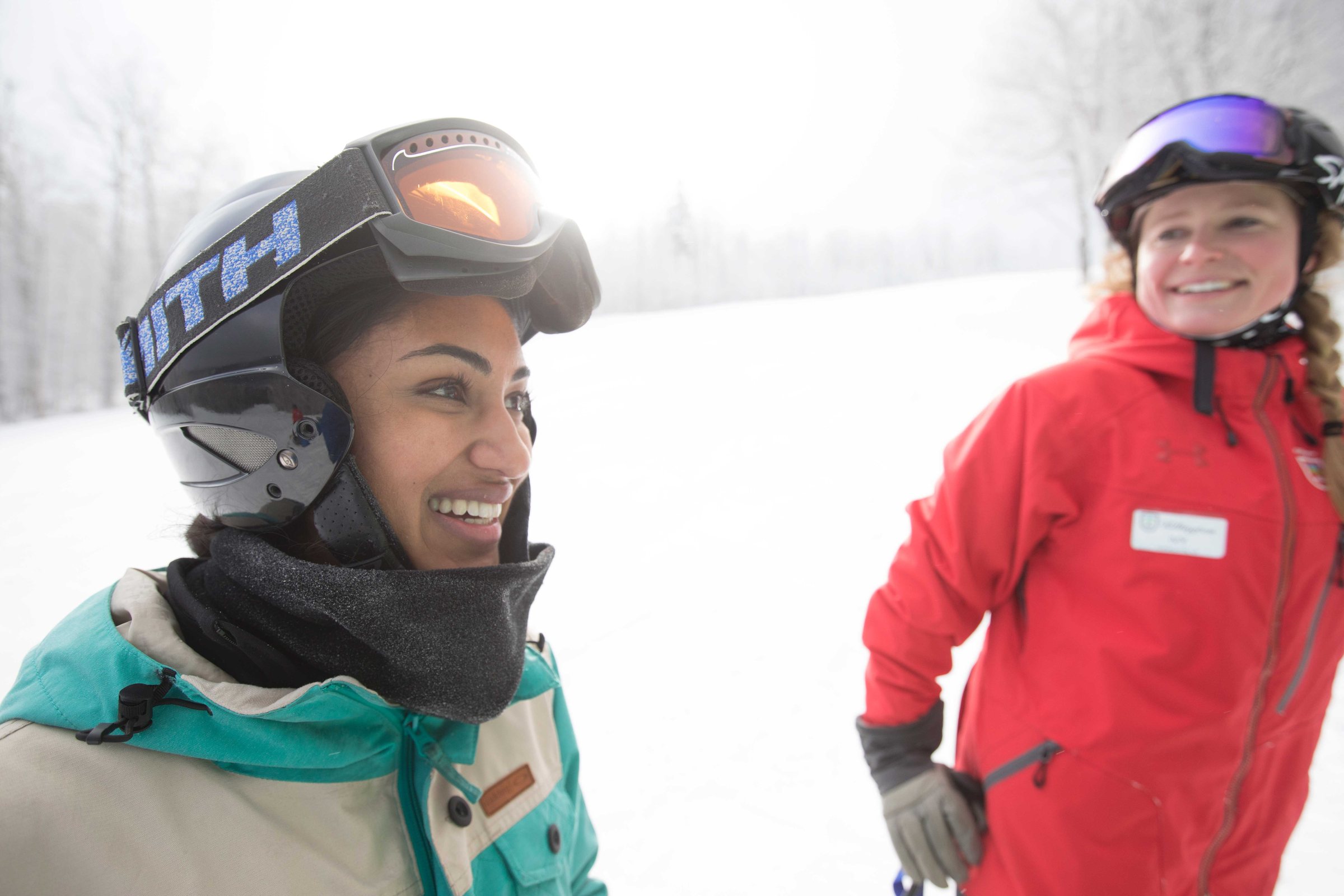
Ski school is the sleeper. Nobody outside the industry thinks about it, and it's the top of the funnel for the entire sport. Marketing lessons means marketing somebody's first day on snow. Their first transaction is usually a rental, their first lesson the make-or-break. If that day goes badly, they never come back.
Lodging travels furthest. Booking windows, packages, and yield read straight across to anyone in travel, hospitality, or subscription.
Killington runs one of the longest seasons in the East, and that length is part of the brand. But length isn't certainty. The revenue still concentrates in a window nobody controls, and a warm December can undo a great plan. The durable fix isn't a better winter. It's more businesses, and more kinds of customer.
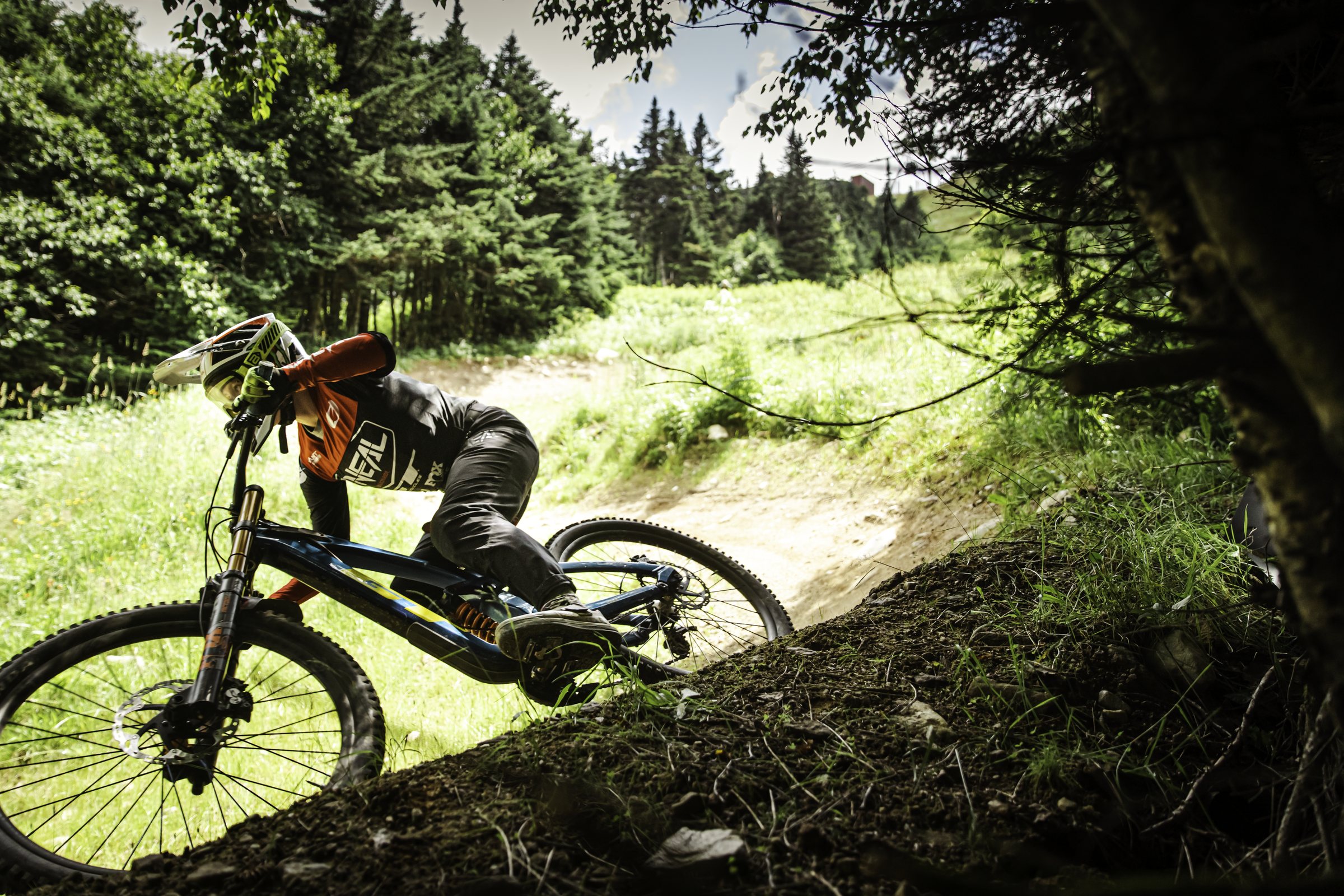
Summer became a real one. We grew the bike park's mountain-bike visits from roughly 2,000 to 50,000 — carried by a brand people already trusted rather than a new one built from scratch. Alongside it, I supported the marketing for the golf course and the Adventure Center — the alpine coaster, ziplines, ropes course, and scenic gondola. Those aren't skiers. They're families and casual visitors who may never click into a binding, buying a completely different day under the same name.
And the range runs past the calendar, into the customer. I also supported the weddings, groups, and conference business — selling the mountain, year-round, to someone planning an event rather than a ski trip. Different buyer, different pitch, one brand holding all of it together.
Passes go on sale long before there's any snow to point at. You're asking people to pay, in spring, for a promise of winter. The job is to make committing early feel like the smart move, and to make waiting cost more. I helped build the pricing structure around three pass products, laddered so they didn't cannibalize each other, each aimed at a different kind of loyalty:
Underneath sat a published escalation ladder — the price stepped up on dates every customer could see. That transparency was the mechanism: the deadline did the persuading, not a discount. Committing early wasn't rewarded with a coupon; it was rewarded with the lowest price there would ever be.
And the pass always had to stay worth more than buying days one at a time, so it was priced against daily rates rather than in a vacuum. The whole ladder is really one promise made legible: the earlier you trust us with the season, the better we treat you.
A season pass is a single transaction you have to win all over again every spring. Every year the clock resets and you're back to convincing the same person to buy the same thing. That's an exhausting way to run a business built on people who already love you.
Beast 365 changed the shape of it: a monthly subscription to the mountain — the first pass of its kind in the industry when it launched, and one I helped bring to market. The point was never the payment plan. It was the relationship.
A subscriber isn't deciding whether to come back; they already belong. That reframes the entire marketing job from re-acquisition to retention — the difference between chasing customers and keeping them. It grew about 50% in its second season.
There are months when there's nothing to buy and no snow to show. Most brands go quiet and wait for winter. But a brand only stays a brand if it keeps talking — and the off-season is exactly when most companies go silent, and quietly lose the thread.
So we kept the conversation going. 4241 — a print magazine we ran for a decade, more than a million copies distributed — plus roughly seventy-five films and a 4.9-star podcast. Not ads. A reason to stay in touch with the place in July, when nobody was selling a thing.
None of it was about filling a feed. It kept the relationship warm all year, so the mountain was already yours by the time the first flakes fell. No cold start every winter.
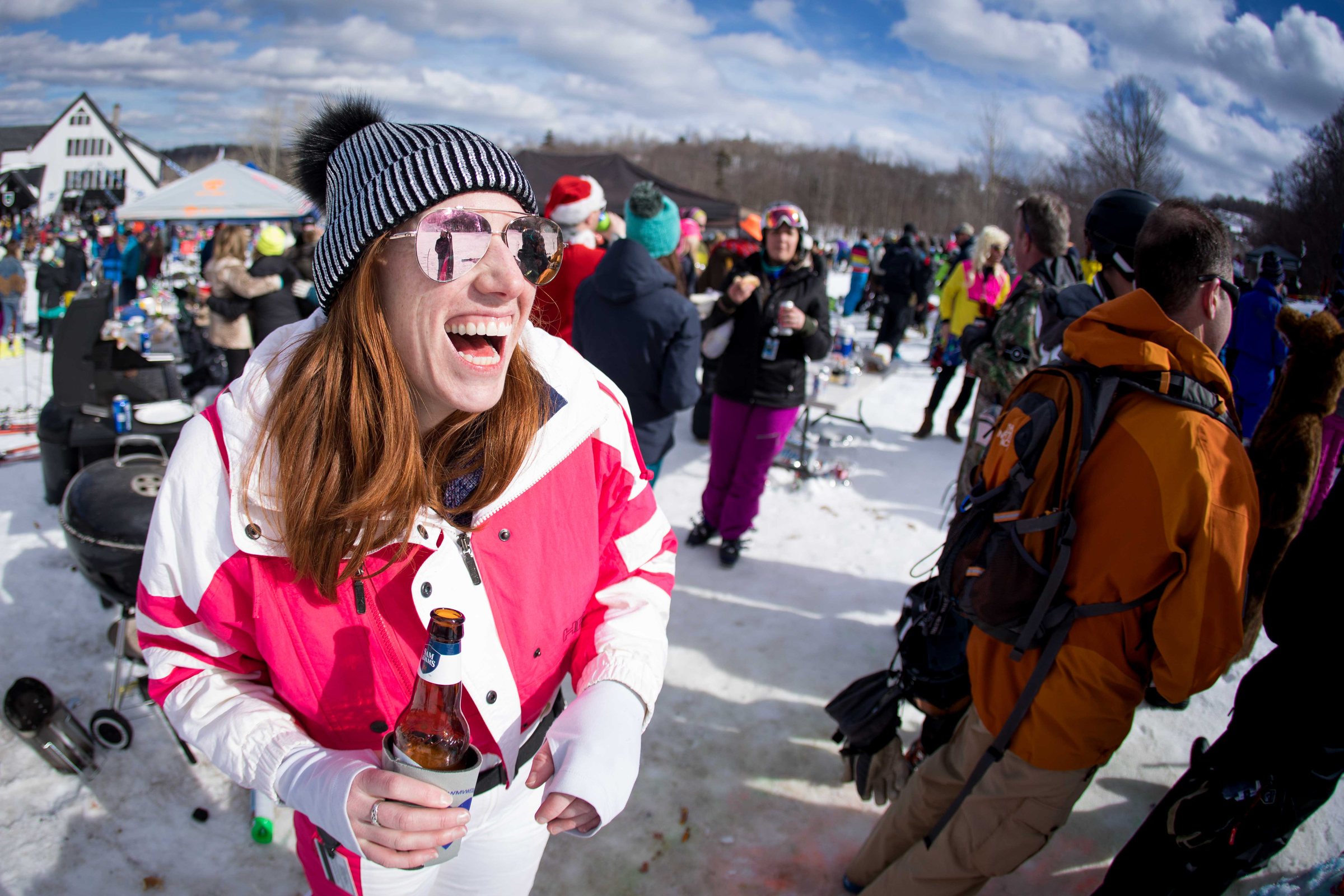
The last hedge against a business built on weather is to give people reasons to come that have nothing to do with it. A great event is inventory you actually control — a date on the calendar a warm week can't erase.
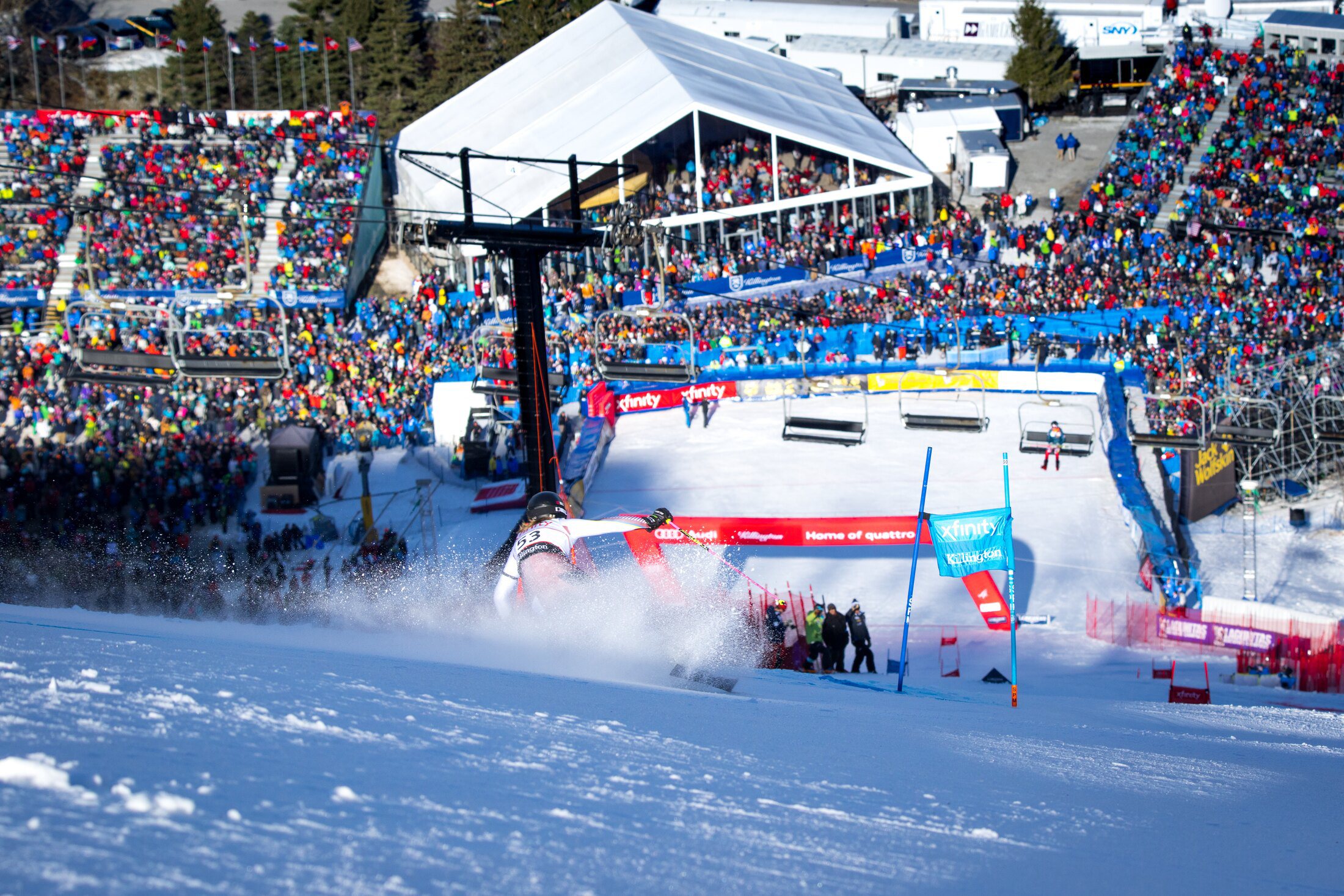
We built them concept to execution. The FIS World Cup, where the crowd climbed from 30,000 to 39,000 across three years. Three seasons of the Dew Tour. The Spartan World Championship. And partnership activations designed as brand moments, not logo placements.
Each one did the same commercial work: it put a reason to show up on the schedule months ahead, independent of snowfall, and gave the marketing something concrete to sell into the windows the weather couldn't be trusted to fill.
I came in thinking marketing was the loud part. I left understanding it as the machine — pricing, packaging, retention, and a voice that has to hold across five businesses and fourteen winters. Turning a short, uncontrollable window into a year-round business is a systems problem. That's the thinking I later built into software.