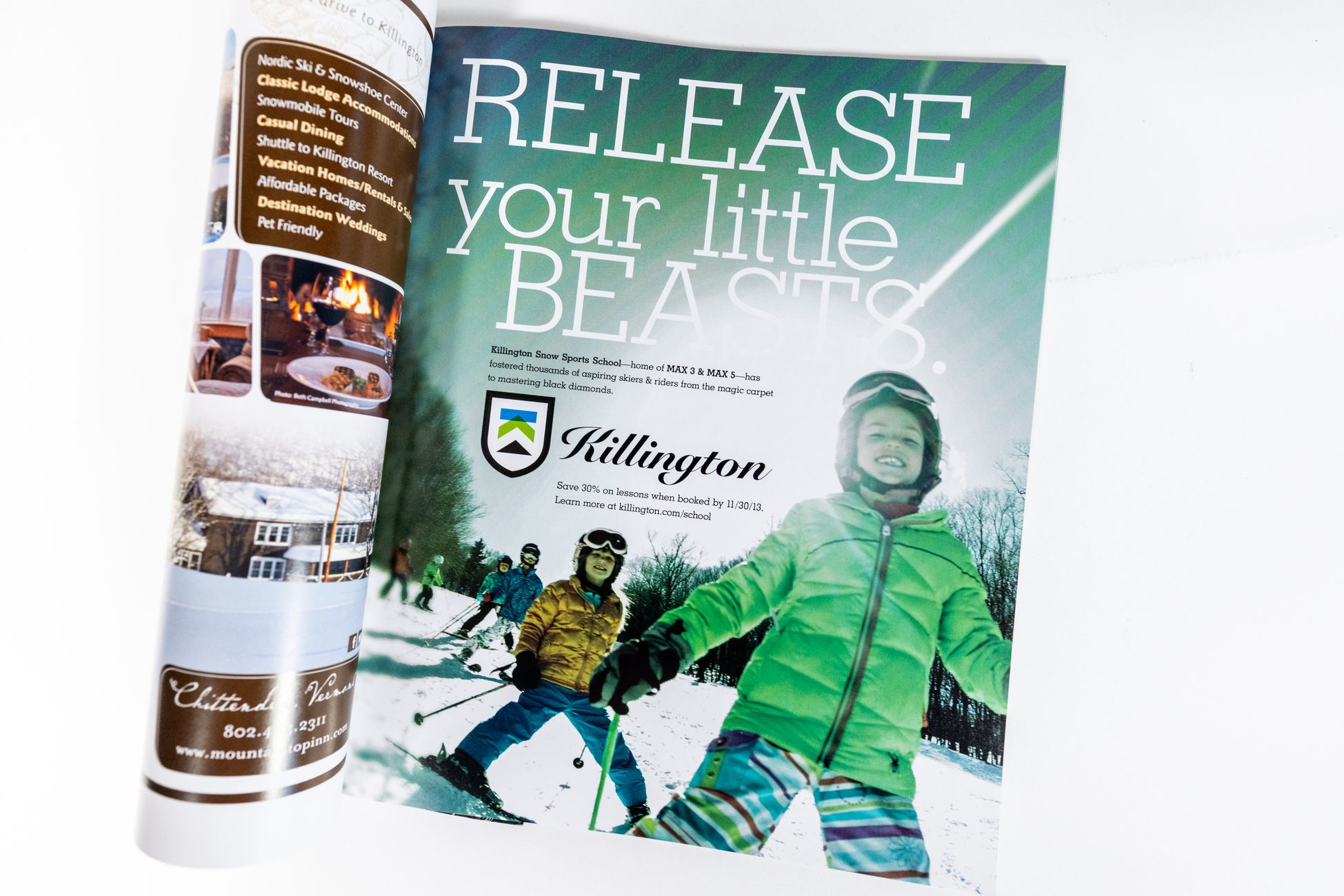
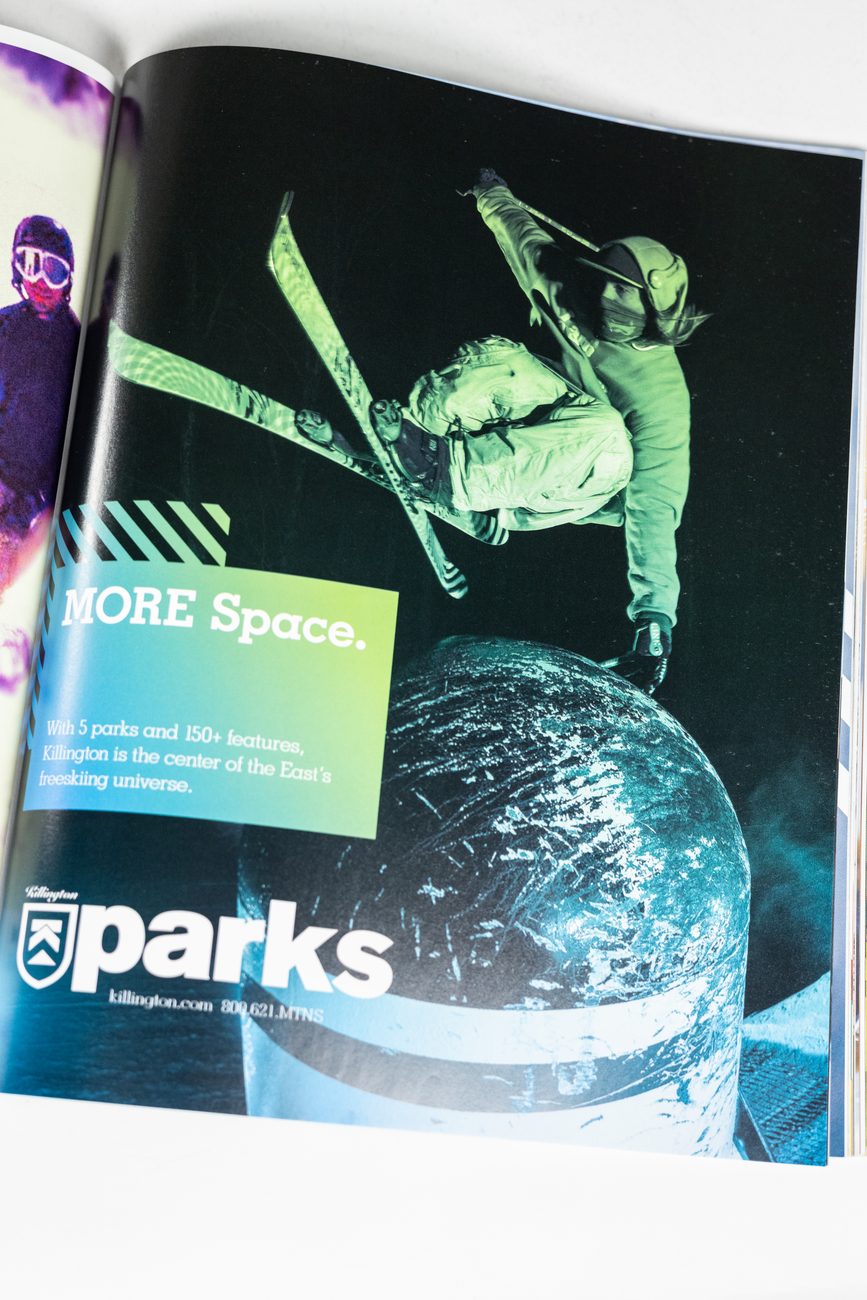
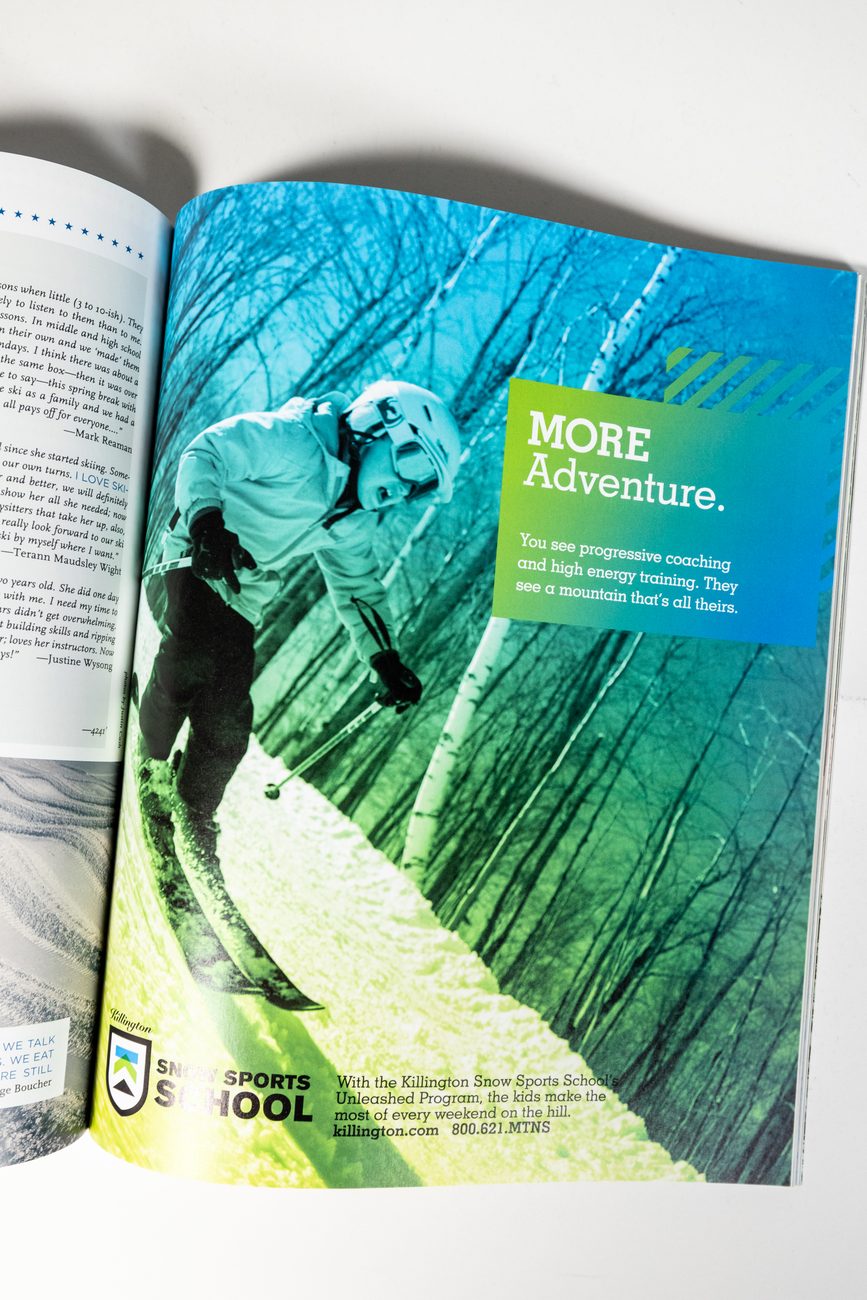
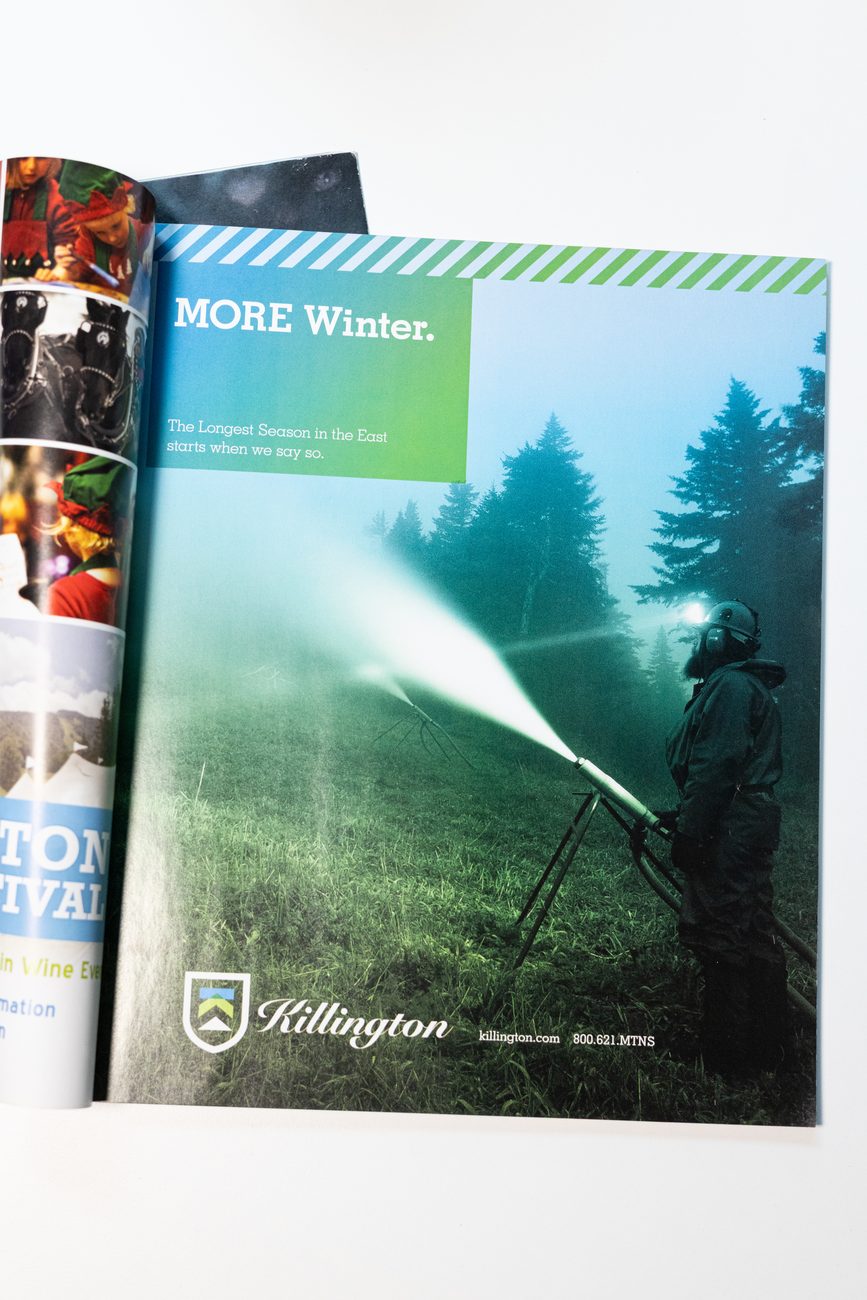
Before you can reclaim something, you have to understand how it got lost.
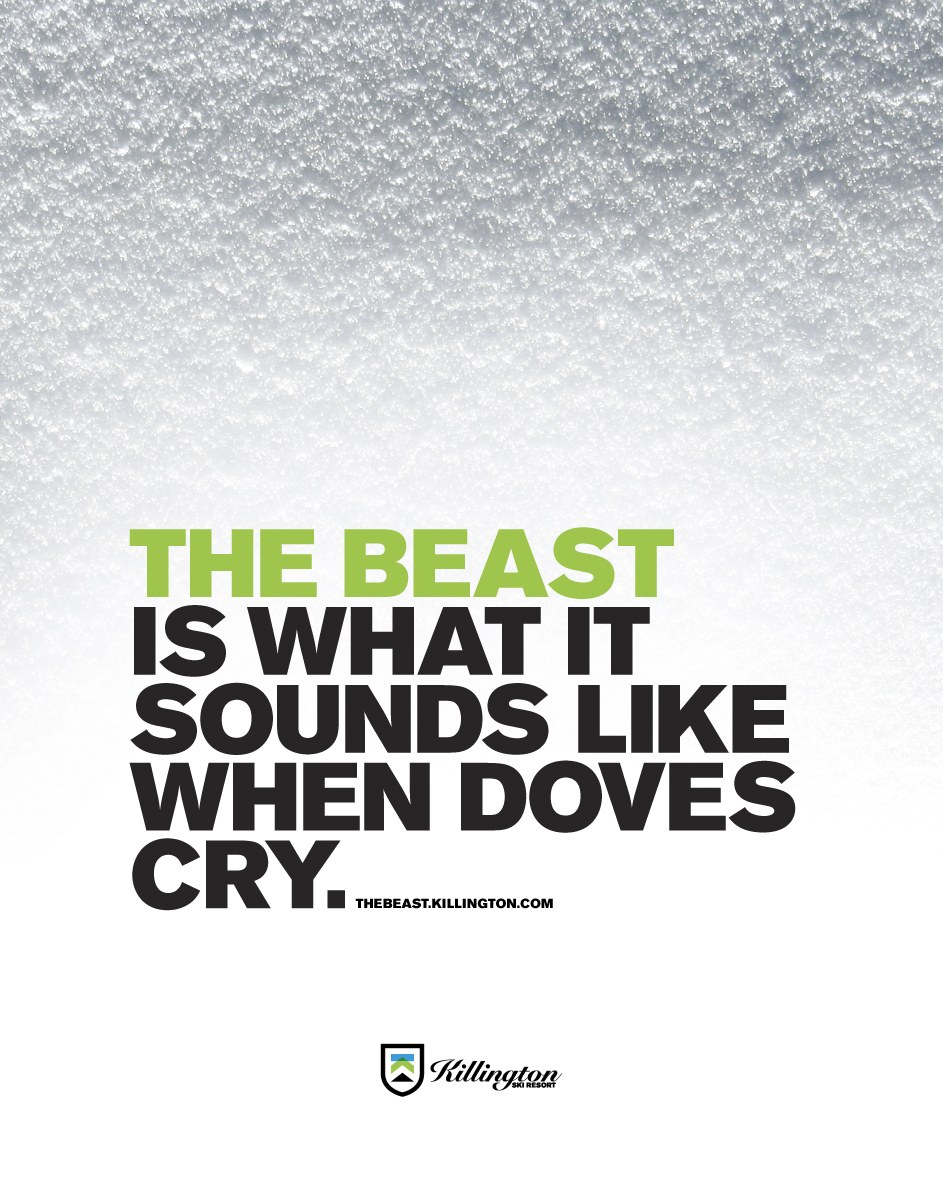
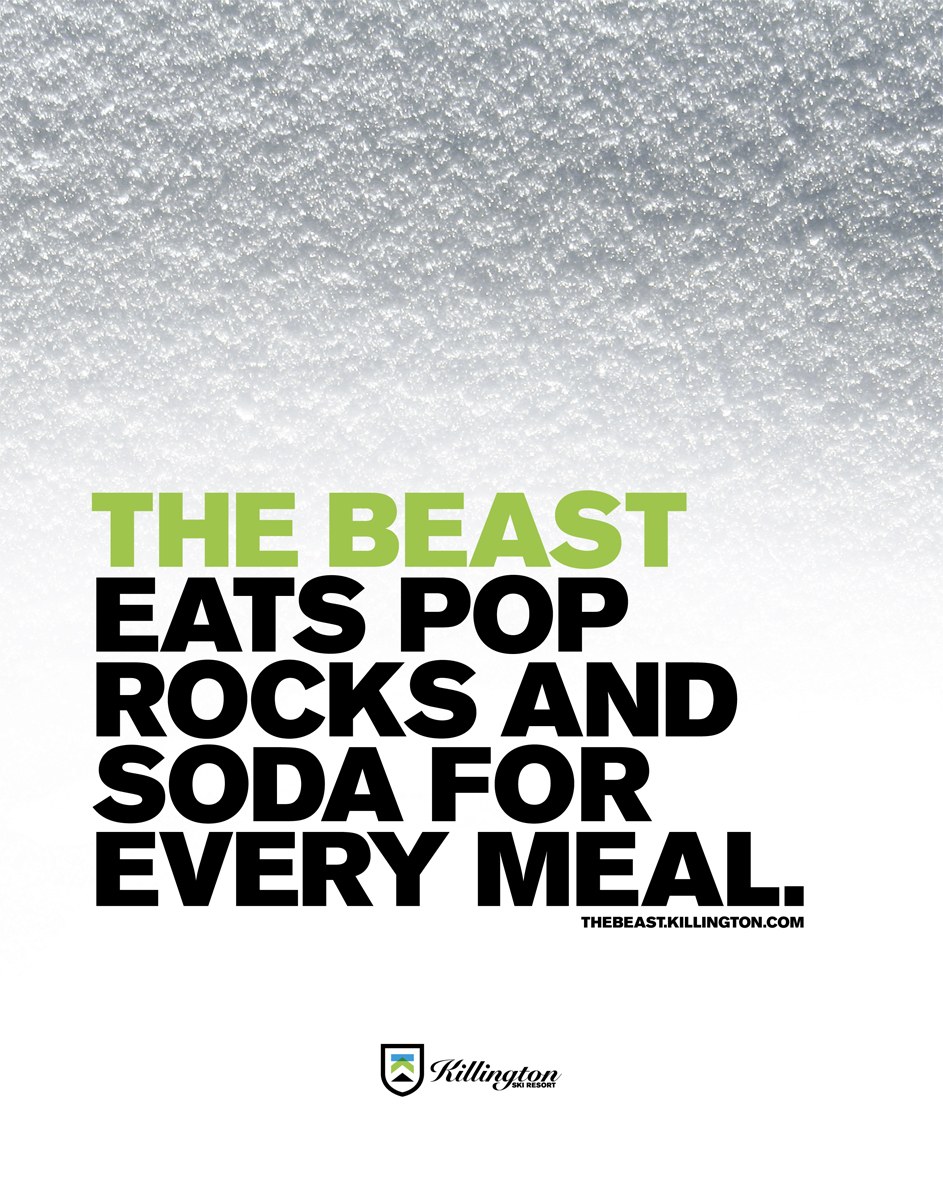
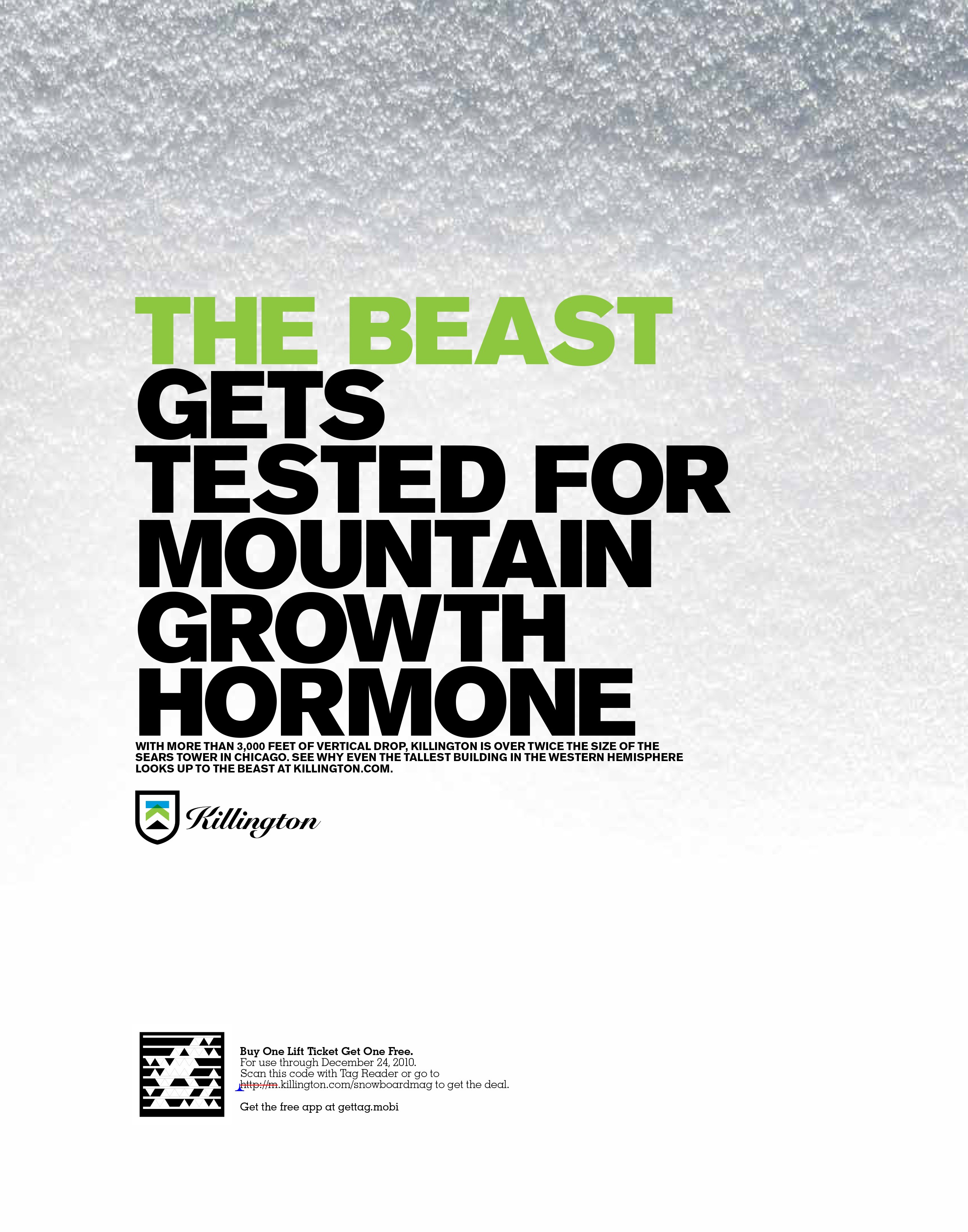
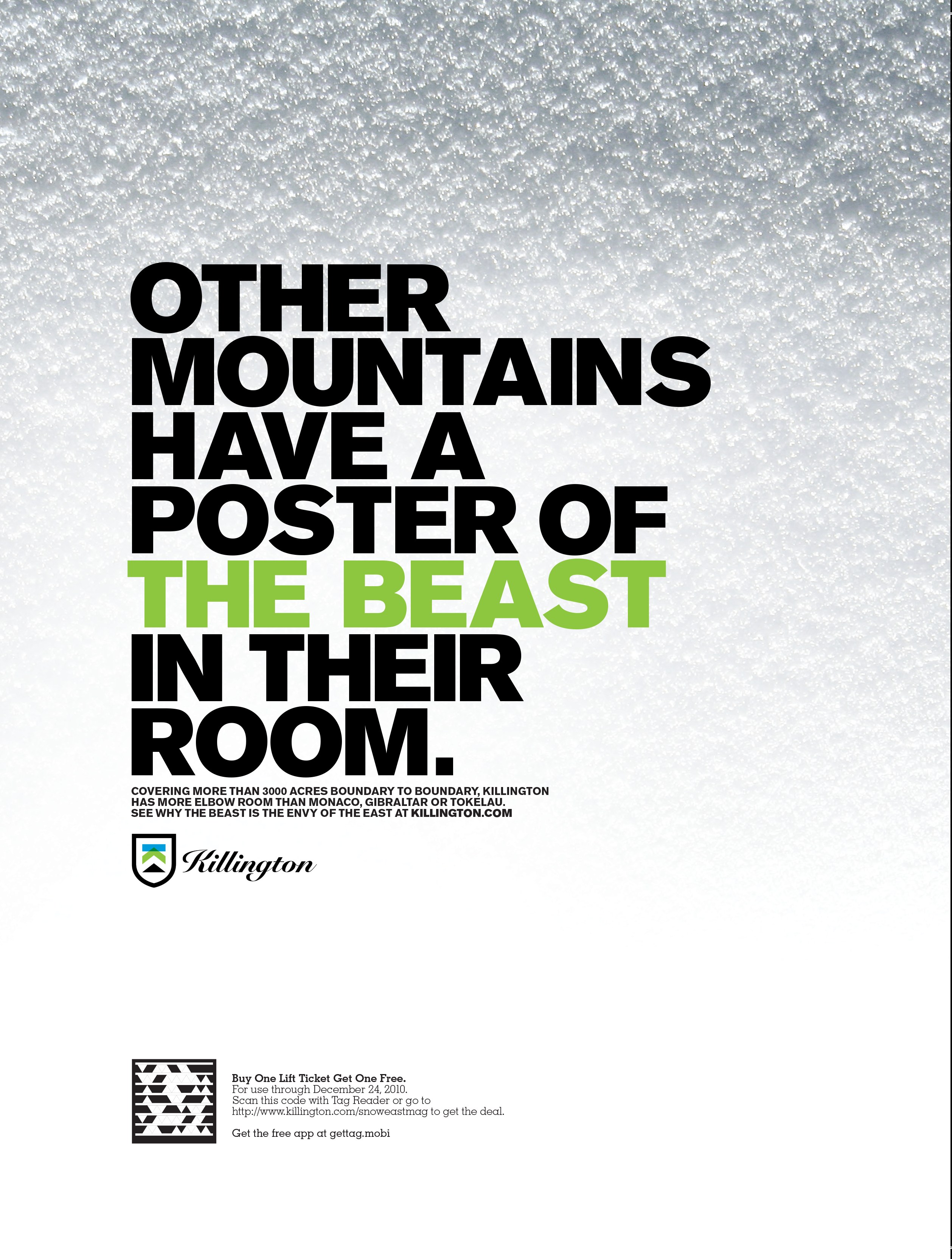
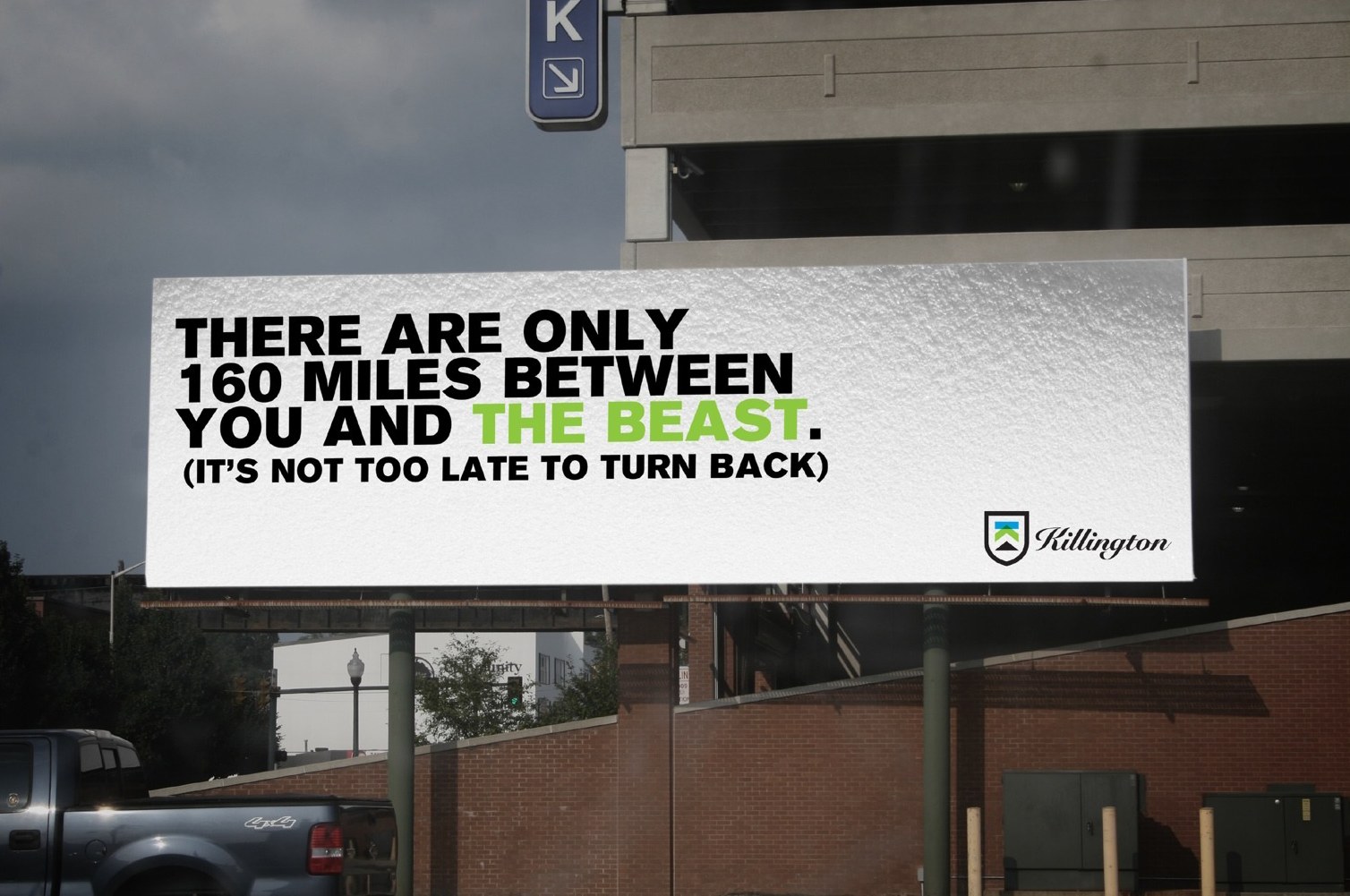
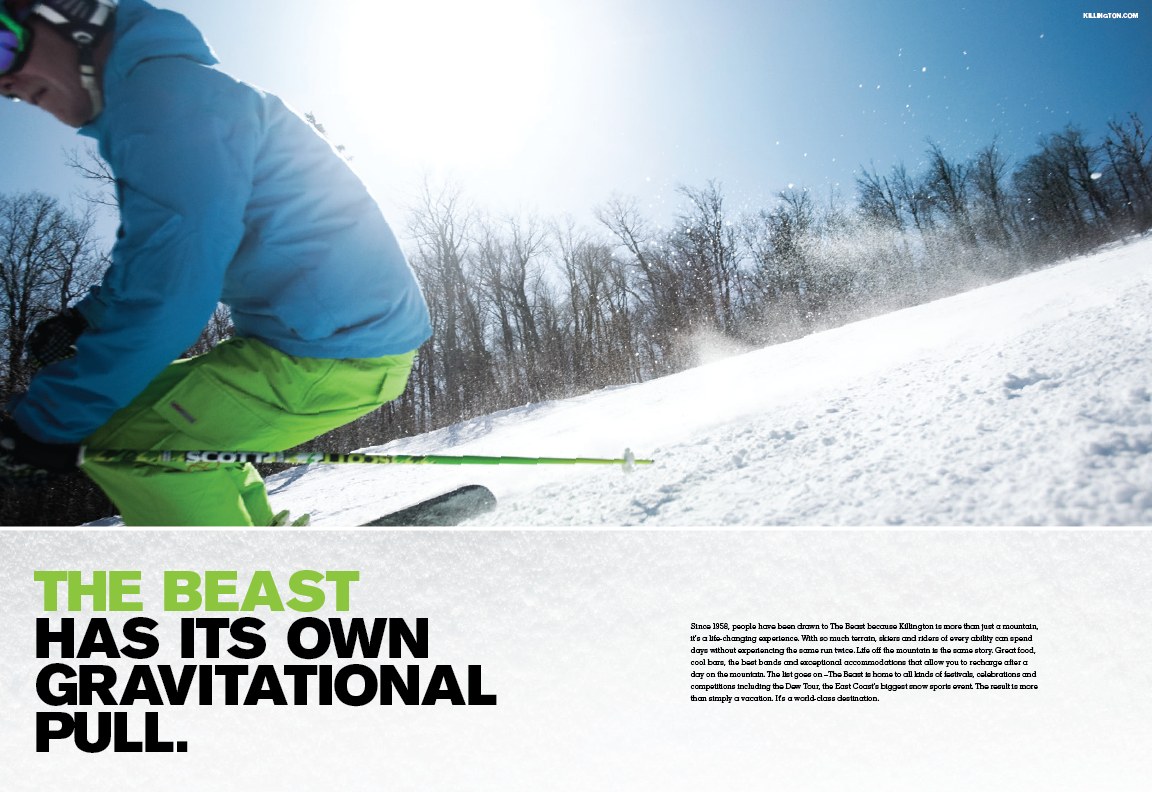
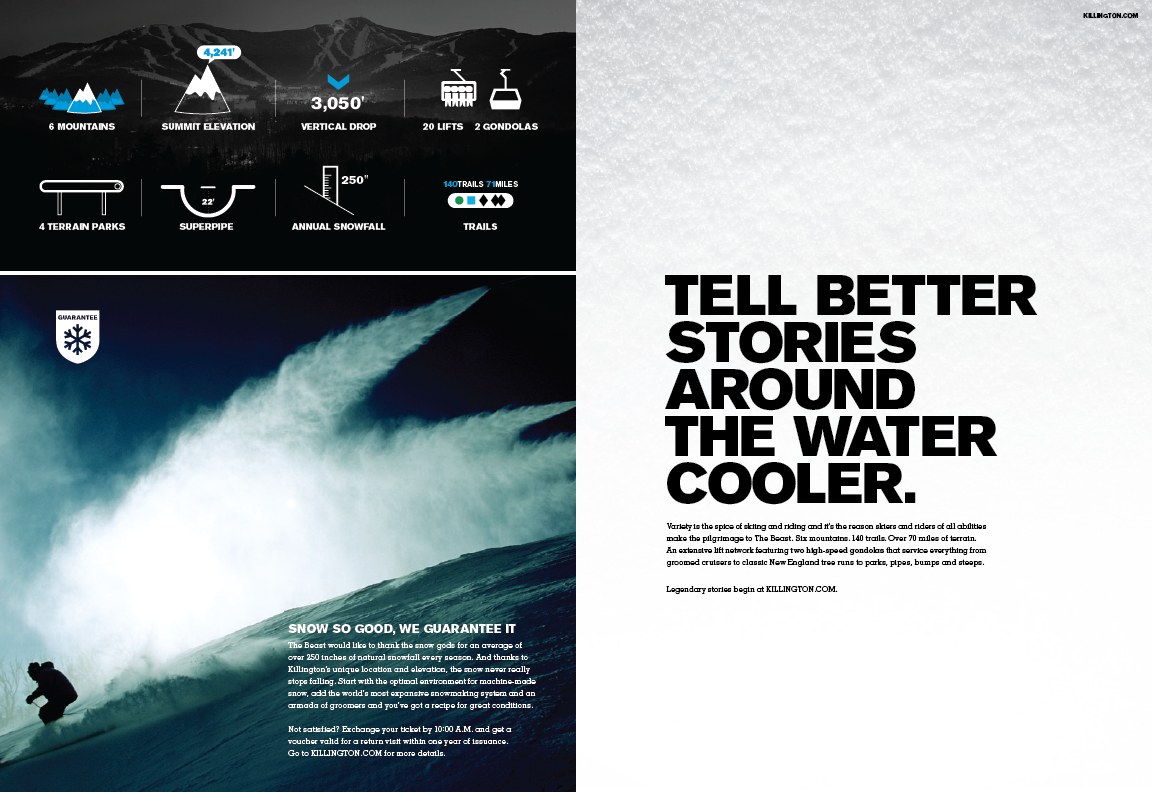
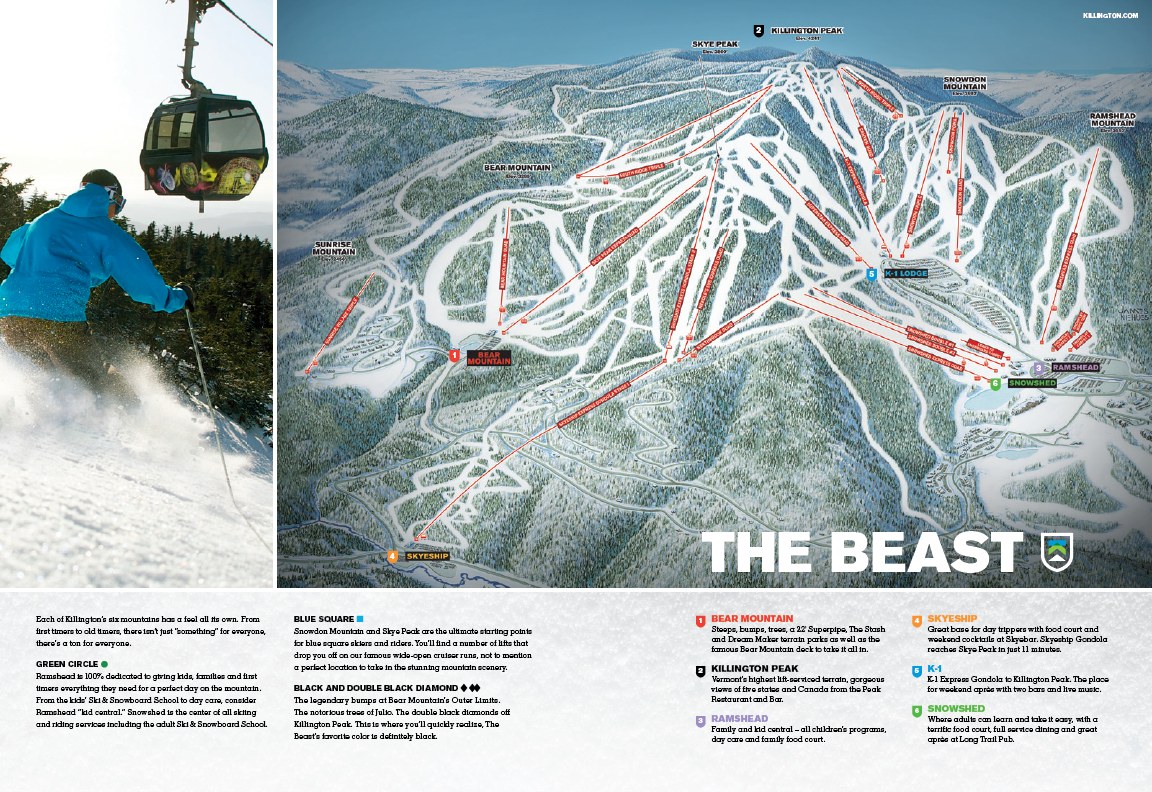
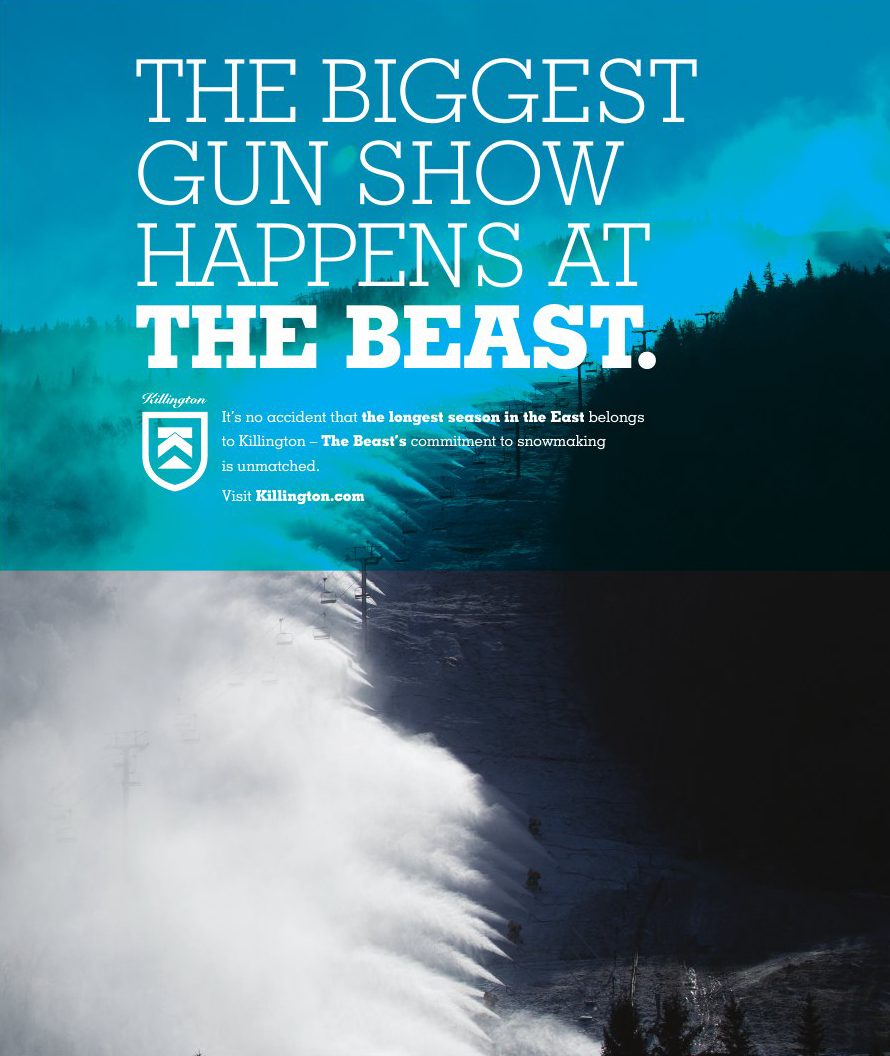
Killington was always the Beast: largest ski area in the East, the 4,241-foot peak, the longest season, six connected mountains. The identity was built into the place. But an identity you own and an identity you express are two different things, and somewhere along the way Killington stopped expressing it.
The culprit was consolidation. In 1996 the American Skiing Company — one of the first ski-resort conglomerates, a company that owned a portfolio of Eastern mountains and ran them like a portfolio — bought Killington. ASC's instinct was homogenization. Make all the resorts feel the same, treat guests as database entries, sort them by geography rather than by who they actually were. Killington got assigned Manhattan and New Jersey. Boston belonged to Sunday River and Sugarloaf. It was efficient. It was also the opposite of a brand. It said the mountain you skied was an accident of your zip code, not a place with a personality you'd choose.
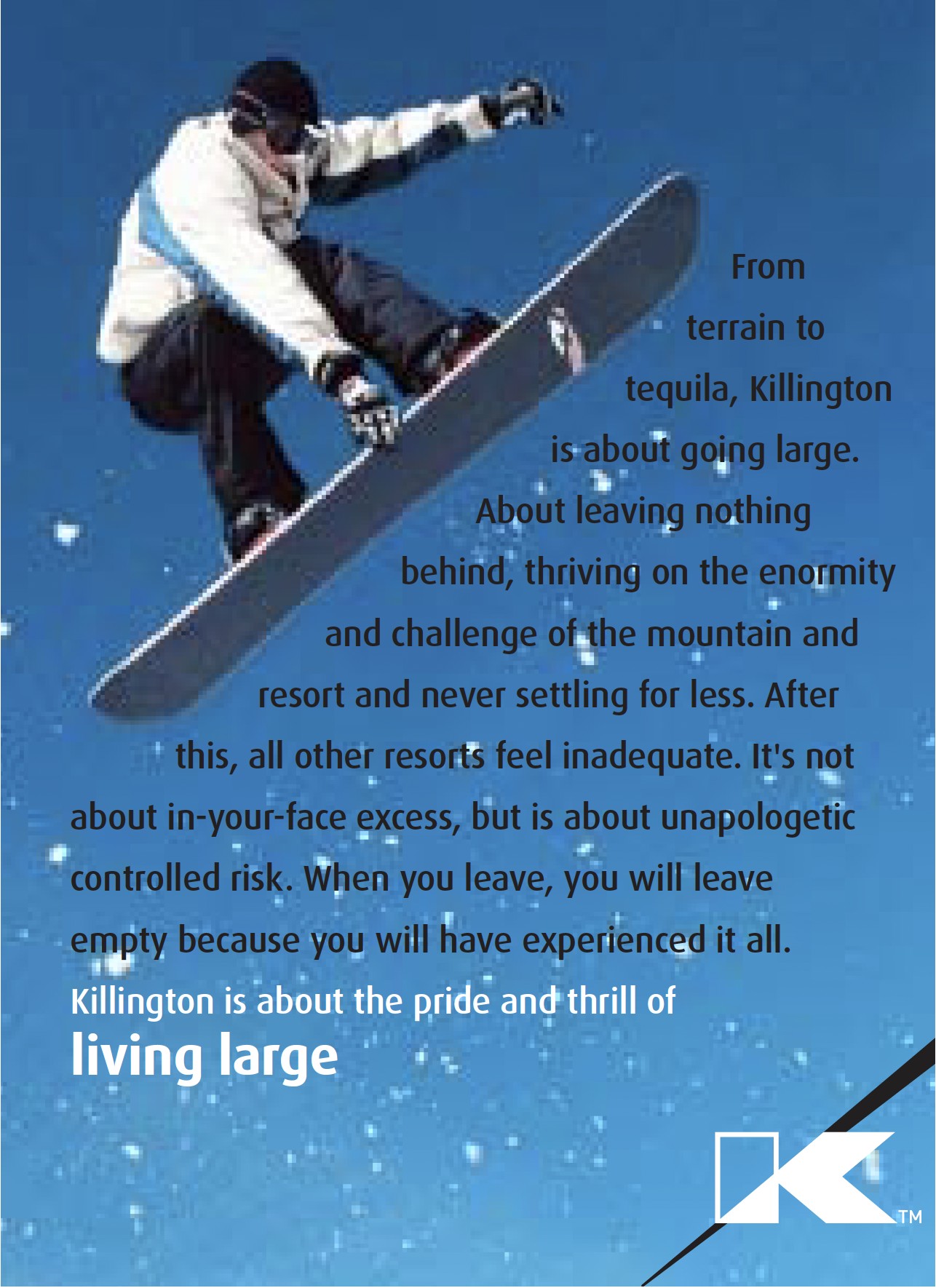
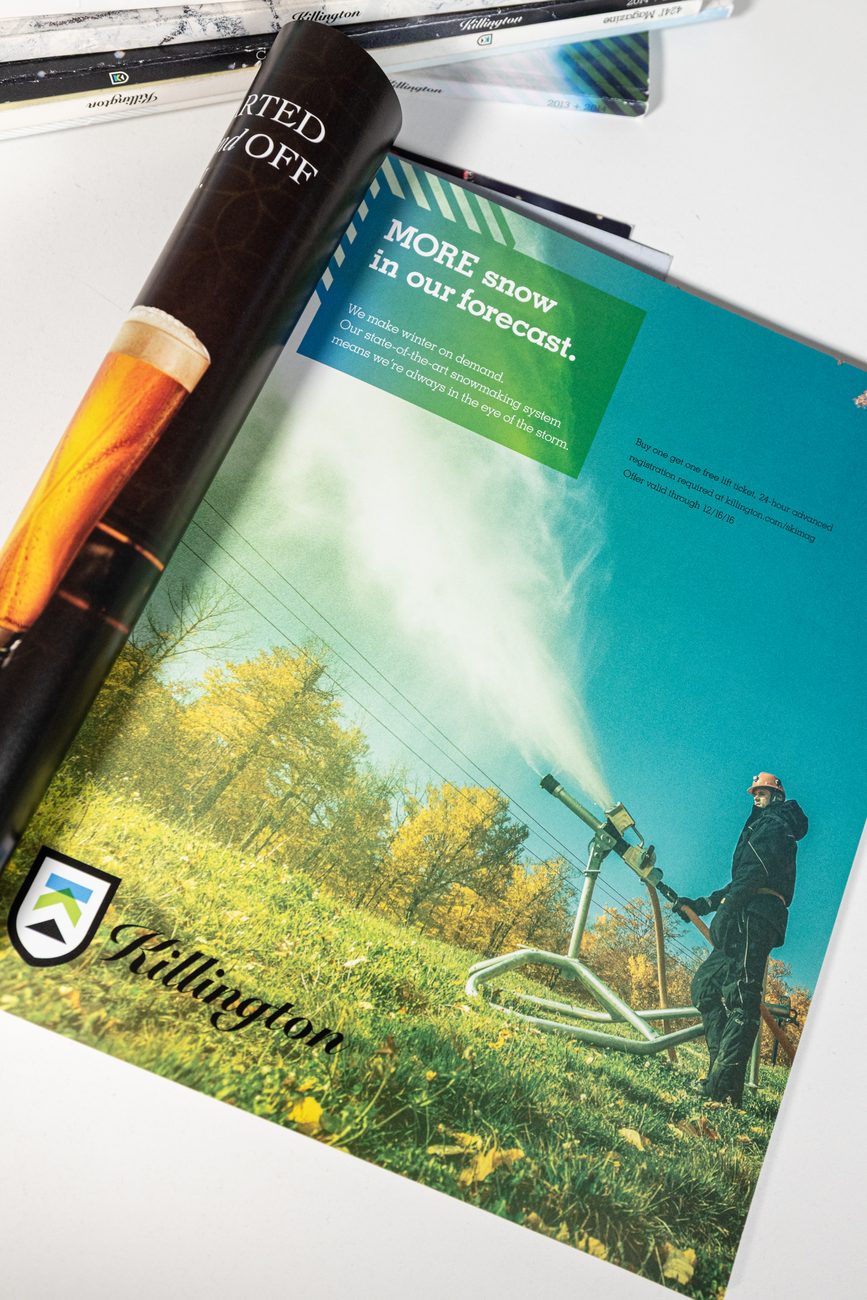
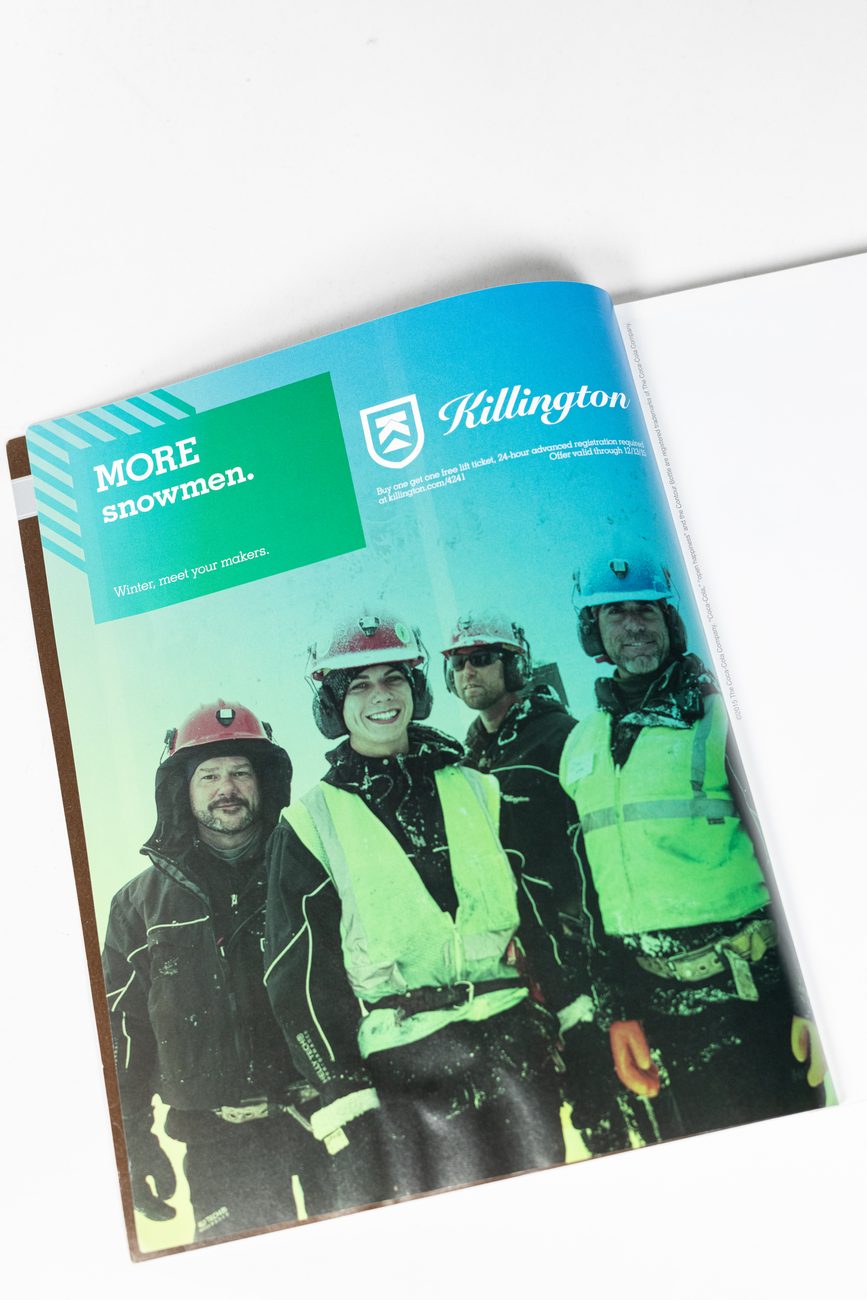
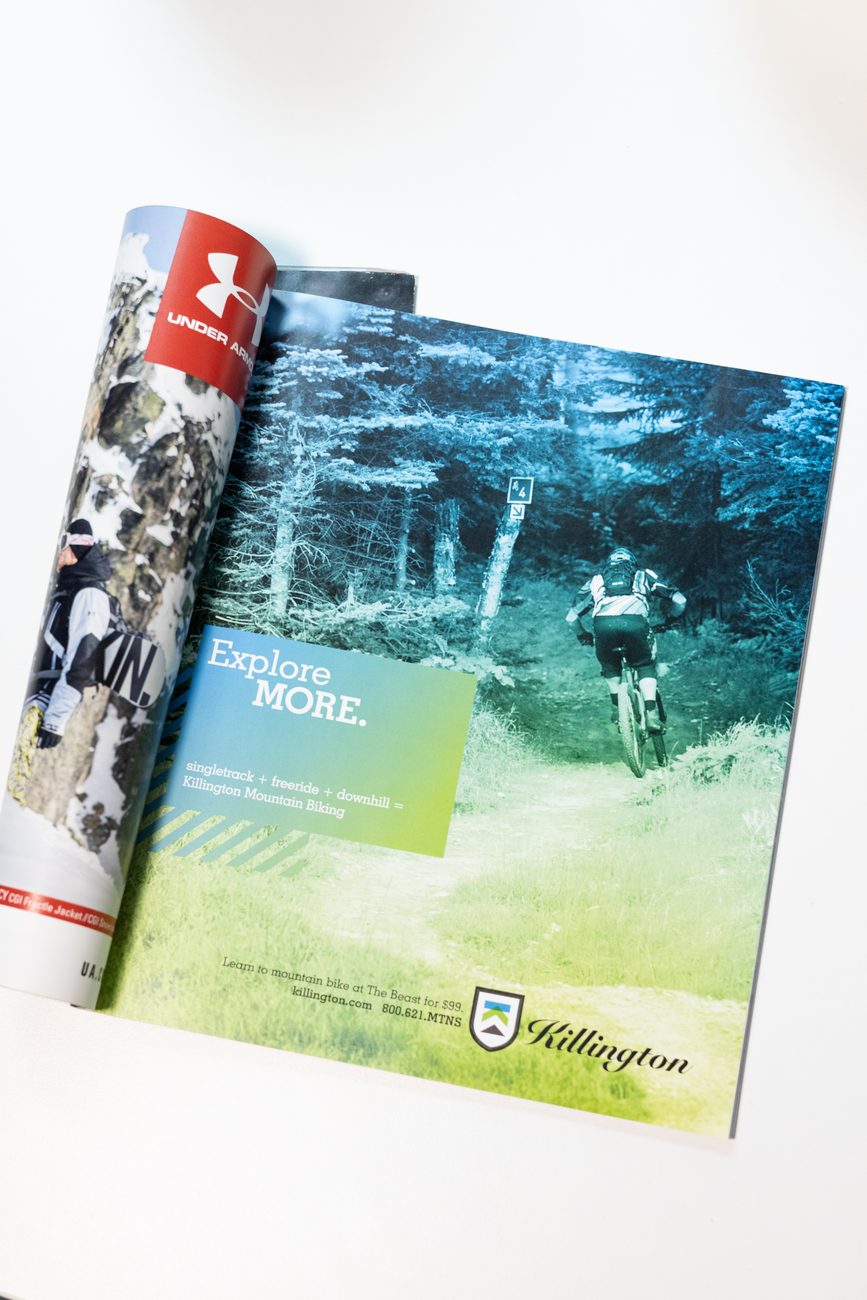
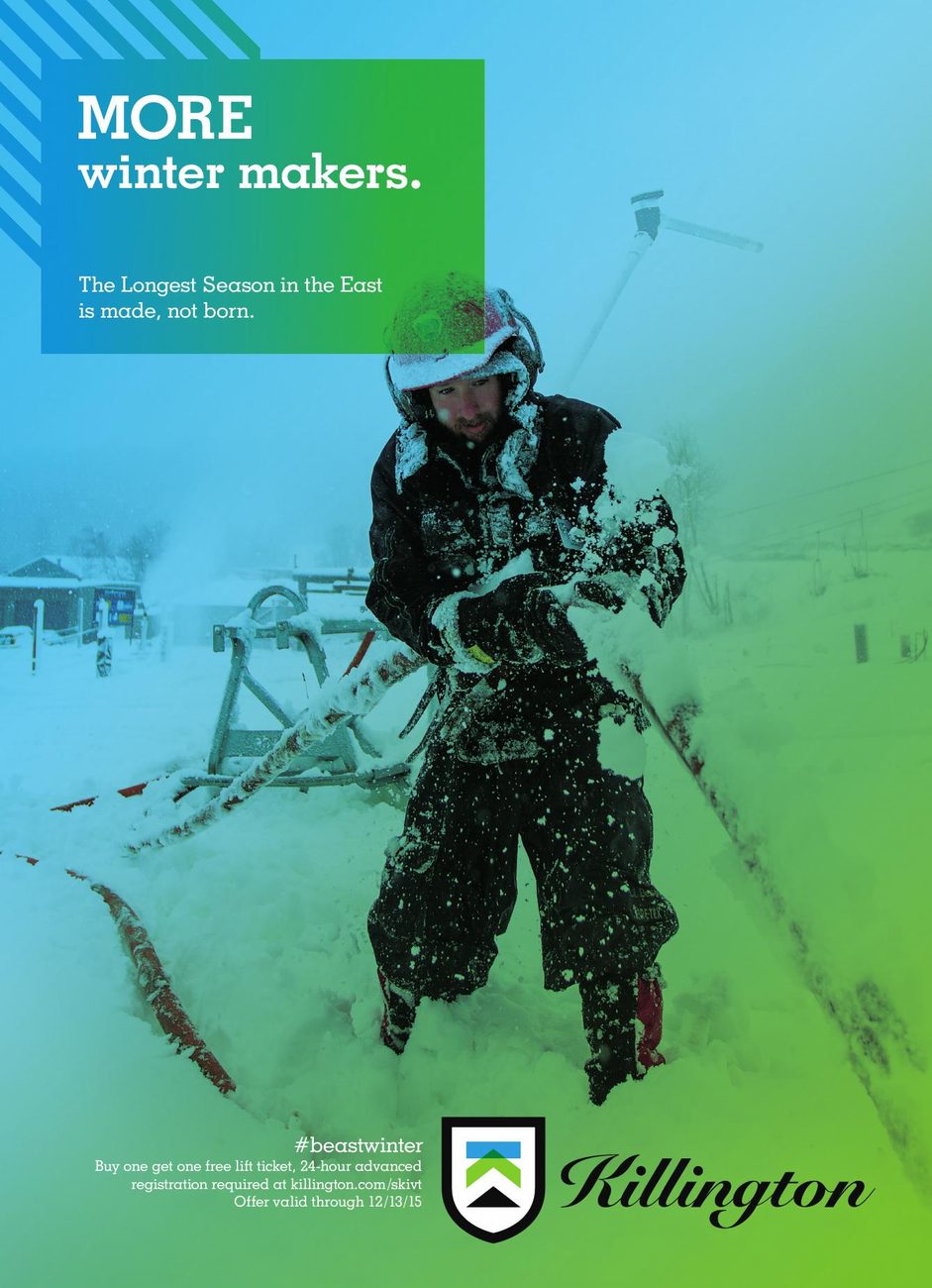
Then ASC got overleveraged, buried under too much base-village construction and mounting debt, sliding toward bankruptcy, and did what overextended companies always do. It cut the marketing to save cash. Branding collapsed into cookie-cutter templates. Swap the logo, change the color, drop in a new photo, keep moving. Every resort in the portfolio running the same skeleton with different paint.
That's the drift. Not a brand that failed. A brand that got flattened by a parent company that saw no difference between its mountains, and then stopped spending enough to tell them apart. Killington had the largest resort in the East and was being marketed like a spreadsheet row